
Understanding the true value of a luxury timepiece goes beyond a simple price tag. Owners and collectors often encounter two distinct terms: appraisal value and market value. These concepts, while related, serve different purposes and can have significantly different monetary figures.
An appraisal often reflects a higher replacement cost for insurance documentation. The market value represents the actual price a watch could fetch in a real-world sale. This distinction is of immense importance to anyone who owns, sells, or insures a fine watch.
A clear knowledge of appraisal and market value for luxury watches will empower you to make informed decisions about your collection. It helps you protect your assets appropriately and transact with complete confidence. The nuances between these valuations shape insurance policies, estate settlements, and private sales.
Defining Appraisal Value
Appraisal value represents the estimated cost to replace a watch with a similar new one. An expert appraiser determines this figure after a detailed examination of the timepiece. This value primarily serves insurance companies in policy issuance and claim settlement after a loss.
Insurers use the appraisal to set coverage limits for your valuable luxury timepiece collection. The document provides a formal record of the watch’s characteristics and its replacement cost. This detailed report substantiates your claim in the event of theft, damage, or loss.
The Purpose of an Appraisal
An appraisal offers formal documentation for several specific, non-sale-related financial situations. People often seek appraisals for insurance coverage, estate planning, or tax purposes. These formal reports provide certified valuations from qualified professionals for official use.
The high value stated in an appraisal provides a safety net for replacement purposes. It ensures you can acquire a comparable model should your original watch become lost. This figure often exceeds what someone would pay for a pre-owned watch on the market.
How Appraisers Determine Value
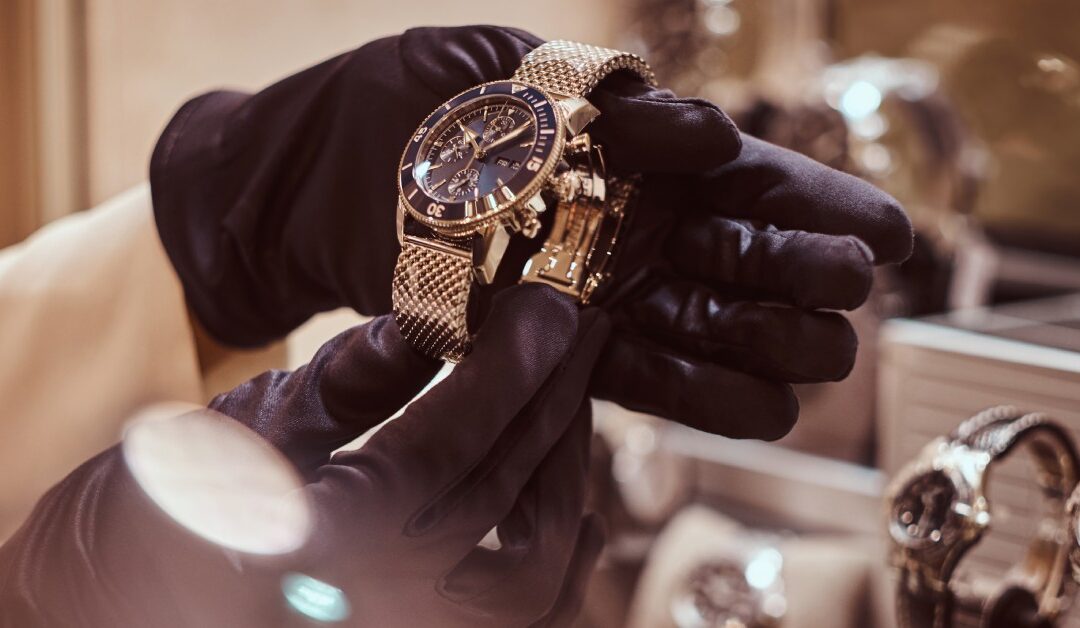
Appraisers conduct a meticulous evaluation of the watch’s condition, authenticity, and specific model details. They check the movement, case, dial, and bracelet for originality and any potential damage. Their expertise allows them to spot subtle inconsistencies or alterations that affect overall worth.
They also reference manufacturer price lists and data for comparable new models from retailers. This research helps them establish a current retail replacement value for the formal document. The final figure reflects the cost to purchase a brand-new equivalent from an authorized dealer.
Understanding Market Value

Market value is the realistic price a willing buyer would pay to a willing seller. This figure reflects the current supply-and-demand dynamics in the pre-owned watch market. It is the amount you can reasonably expect to receive from a sale today.
Several platforms and dealers help establish the market value of a specific luxury watch. Online marketplaces, auction results, and private dealer quotes all contribute to this real-world price. It fluctuates based on trends, model popularity, and the broader economic climate.
Factors That Influence Market Value
Several factors influence the market value of a watch, and understanding these can help determine its desirability and future price potential:
- Brand Reputation: Well-established luxury brands such as Rolex, Cartier, and Audemars Piguet consistently command high resale values due to their heritage, craftsmanship, and global recognition.
- Rarity and Exclusivity: Limited editions, discontinued models, or rare variants of certain watches often appreciate over time as collectors highly seek after them.
- Condition: The watch’s physical state significantly impacts its value. Watches in excellent condition, with no visible scratches, dents, or signs of wear, are more valuable.
- Completeness: Original packaging, papers, and service records will determine resale value. Watches sold with these items are more desirable.
- Original Parts: A watch with all its original parts intact generally has a higher value. Replacements or aftermarket modifications can diminish its appeal and authenticity.
The Role of Provenance
Provenance refers to the documented history and ownership trail of a particular luxury watch. A watch once owned by a famous person can have an exceptionally high market value. This history adds a unique story and collectability factor that many enthusiasts seek.
Authentic documentation, sales receipts, and service papers all build a strong provenance for a watch. This trail confirms the timepiece’s legitimacy and can enhance its desirability among collectors. A watch with a rich, verifiable history often commands a premium price at auction.
Appraisal vs. Market Value: A Direct Comparison
The appraisal value is almost always higher than the current market value for a watch. Appraisals assess the future replacement cost at full retail, not the current sale price. This forward-looking perspective accounts for potential price increases and availability issues for a replacement.
Market value reflects the immediate, real-world cash value you could obtain from a sale. It considers depreciation, market saturation, and buyer preferences at a given point in time. To better understand appraisal and market value for luxury watches, think of appraisal as “replacement cost” and market value as “resale price.”
When to Seek an Appraisal

You should get a formal appraisal before you add a watch to an insurance policy. This documentation is essential for you to secure adequate coverage for your valuable item. Update appraisals every few years to account for changes in retail pricing.
An appraisal is also necessary for estate settlement or for charitable donation tax deductions. Legal and financial professionals require these formal documents for accurate asset valuation. The certified report provides the objective, third-party valuation that these processes require.
When to Determine Market Value
Determine your watch’s market value when considering a sale or trade. This knowledge helps you set realistic price expectations for your pre-owned luxury timepiece. It also empowers you to negotiate effectively with potential buyers or authorized watch dealers.
Researching market value helps you understand your asset’s liquidity in the current environment. Reliable gold and vintage watch buyers will ensure you receive a fair offer based on data. This information lets you choose the best time and platform to sell your watch.
Navigating a Watch Sale
When you decide to sell your watch, market value is the number that matters. Present the watch in its best possible condition to maximize its final sale price. A clean watch with all its accessories makes a much better impression on buyers.
Be prepared to negotiate with potential buyers based on market value research. Have your documentation ready to prove authenticity and support your asking price. A well-informed seller can transact with confidence and achieve a satisfactory result.
Appraisal value and market value are two different but important metrics in the world of luxury watches. The appraisal establishes a high replacement cost for insurance and legal documentation. The market value provides a realistic resale price based on current supply and demand.
A knowledgeable owner understands when to use each valuation to their advantage. This comprehension ensures you protect your investment, plan your estate, and transact with clarity. A full grasp of both concepts is fundamental to responsible ownership of luxury watches.
 5 Stars on Google